SkyView Autopilot
Introduction
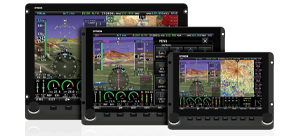
A SkyView System becomes a full-featured dual-axis autopilot for the incremental cost of servos ($750 each), saving $1,000's over the cost of a separate autopilot system.
![]() |
![]() |
|---|
IMPORTANT SCHEDULE and PRICE INFORMATION: At SkyView introduction, the Autopilot functionality is not yet part of the SkyView software feature set. Adding Autopilot Functionality will be part of a FREE software upgrade in the near future. The exact date of this software upgrade is not yet known.
COMPATIBILITY: The existing Dynon servos used with the D10/D100 Series will be compatible with the SkyView System. There are seven wire leads on each Servo; five of them are used with the D10/D100 Series. SkyView will use all seven wires, with the extra two wires used to add a second network connection for redundancy.
IMPORTANT - SERVO FIRMWARE UPGRADE REQUIRED: If you have a servo that was shipped prior to SkyView release (December 1st, 2009), then your servo needs to be upgraded to Version 5.2 firmware. If you have a D10/D100 EFIS, then you should upgrade your servos to 5.2 before switching to a SkyView System. If you do not have access to a D10/D100 EFIS to perform the upgrade, then your servos will have to be returned to Dynon to be upgraded. If your servos were shipped with Version 5.2 or higher firmware, they will have a sticker that says "SkyView Ready". Please contact support@dynonavionics.com for more information
CONNECTIONS: The seven Servo wires are for:
4 - Sets of Twisted Wire SkyView Network Connection
1 - Power connection
1 - Ground connection
1 - Quick Disconnect, to be connected to a switch on the control wheel or stick
A servo wiring diagram can be download here.
FEATURES: Every Dynon autopilot can fly magnetic heading, GPS ground track, and horizontal NAV from any connected compatible radio* or GPS. In addition to being able to hold altitude, the autopilot can fly to a new altitude and level off once it arrives. Additional standard features include emergency 180-degree turn capability, control wheel steering, and standard trim sensing and annunciation on all servos used on the pitch axis. And because Dynon’s autopilot is built on its best-selling EFIS systems, it can respect bank angle, airspeed, and G limitations too.
Servos - $750 Each
Dynon Avionics servos are dimensionally identical to other leading servos for drop-in upgradability. Behind the scenes, though, the SV line of servos are all-new. A lightweight aluminum case houses a stainless steel gear train to optimize weight while not sacrificing strength. The servo control arm is captured by a castellated nut and secured by a cotter pin, just like other critical interfaces in your aircraft. Each servo is managed by its own microprocessor, making the servo an active, smart extension of the autopilot. This simplifies the control-surface-to-servo calibration, and prevents the servo from driving itself endlessly like other servos can. As an ultimate mechanical failsafe, a simple and effective shear pin is employed to let you break the servo free of the aircraft control surface in an emergency.
Multiple servos models are available to suit different aircraft control force requirements. The SV32 is rated at 36 in-lb of torque, the SV42 at 55 in-lb, and the SV52** at an astonishing 72 in lb. Servos are also available with with capstan drives for use in aircraft with cable-driven controls.
Mounting kits for popular aircraft models are being developed on an ongoing basis, with kits for most of Van’s RV series available now.
For aircraft that Dynon has not yet developed a mounting kit, but which definitely use a servo with output arm (as compared to a cable / capstan drive servo), Dynon has developed a generic kit that includes rod ends and other servo attachment hardware. Note that if you use this kit, you will need to determine an adequate location and mounting method for installing your servos.
See the servo application guide for aircraft/servo configuration information for a variety of aircraft.
More Autopilot Information and Ordering Details
See the servo application guide for aircraft/servo configuration information for a variety of aircraft.
View the answers to frequently asked questions about the autopilot.
Full installation and user documentation is always available on our website.